


-

Add: HeBei ShengShi HongBang Cellulose Technology CO.,LTD.
-

Email
13180486930@163.com -

CONTACT US
+86 13180486930
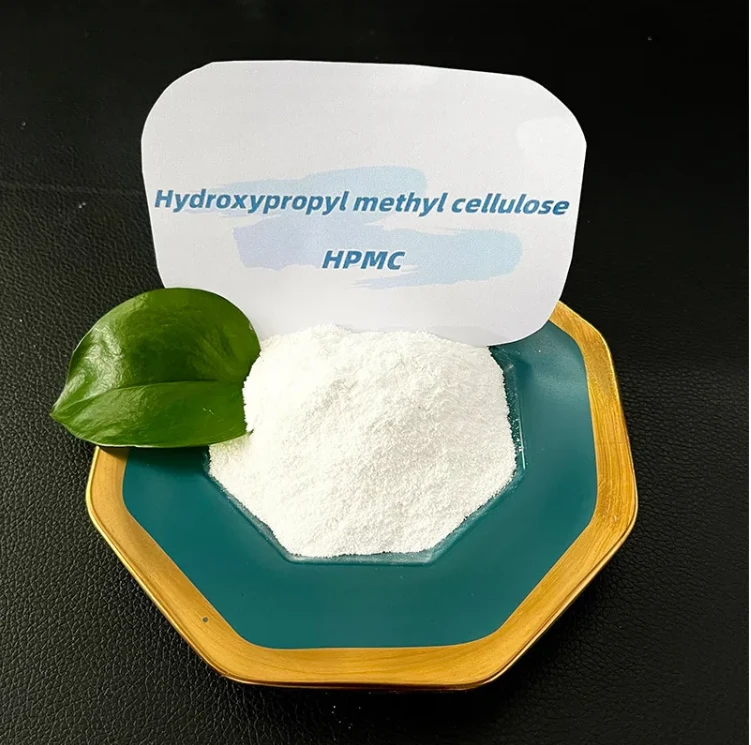




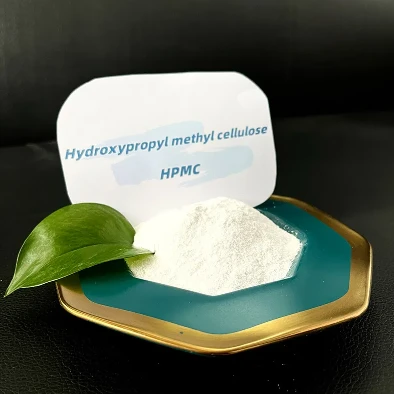
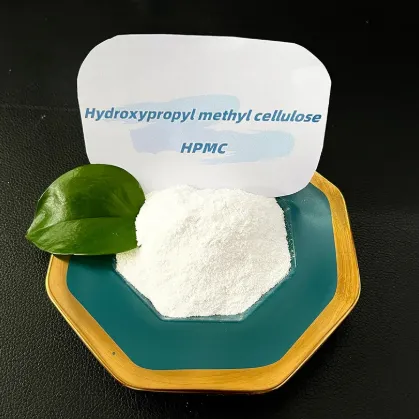
Hydroxypropyl Methylcellulose (HPMC) has emerged as a versatile and essential ingredient in the food industry, transforming the way food products are developed and enhancing their quality. Employed namely for its exceptional emulsifying, thickening, and gelling abilities, HPMC continues to gain recognition among food scientists and manufacturers for its innovative applications. With its origin traced back to cellulose, HPMC is produced through the chemical modification of this natural component, ensuring it remains non-toxic and safe for consumption. This synthetic polymer exhibits a high-water retention quality and forms a gel when dissolved in cold water, which makes it optimal for a multitude of food applications. In bakery products, HPMC assumes a critical role in improving dough properties, retaining moisture during baking, and extending the shelf life of finished products. Its ability to reduce the retrogradation of starch ensures that baked goods maintain freshness longer than they typically might, which is highly beneficial for both bakeries and consumers. The addition of HPMC in gluten-free recipes is a game-changer, as it compensates for the loss of gluten, providing structure and elasticity to dough, thus enhancing the texture and appeal of gluten-free bread and pastries. Furthermore, HPMC’s role in creating emulsions makes it indispensable in the production of sauces, dressings, and gravies. Its stabilizing properties prevent the separation of oil and water, ensuring a consistent texture and appearance. Food scientists have noted its effectiveness in low-fat and low-calorie products, where fat content reduction is desired. Here, HPMC enhances mouthfeel and mimics the creaminess of full-fat counterparts without compromising taste or satisfaction, aligning perfectly with the growing demand for healthier food options. In the dairy industry, HPMC is utilized to improve viscosity and stabilize dairy products such as yogurt and ice cream. It helps in maintaining the form and consistency, particularly in reduced-fat versions, by preventing ice crystal formation which can detract from the smoothness typically desired in ice cream. By promoting even distribution of particles and maintaining the suspension of other ingredients, HPMC ensures consistency throughout the product's shelf life. hpmc in food Snack foods benefit from HPMC's film-forming properties, which are leveraged to create barriers that prevent moisture gain and oil migration, preserving crunchiness and flavor. This attribute is particularly advantageous in products such as fried snacks and cereals, where a prolonged crispiness is a key quality attribute sought by consumers. The burgeoning plant-based food sector has also recognized the utility of HPMC. As an emulsifier, binder, and stabilizer, HPMC enhances the coherency and mouthfeel of plant-based meat and dairy alternatives. It helps mimic the juicy texture and structure of animal-derived products, often missing in plant-based options, thereby raising their appeal to a broader audience. However, the incorporation of HPMC into food products is not merely functional; it's also regulated by stringent safety standards. The Food and Drug Administration (FDA) along with the European Food Safety Authority (EFSA) have approved HPMC as a safe food additive, which reassures both manufacturers and consumers regarding its use. Innovation and sustainability also find their intersection with HPMC, as its cellulose base derives from plant fibers, positioning it as an environmentally friendly option in food production. This sustainability angle aligns with global movements towards reducing environmental impact, elevating HPMC's status not just as a synthetic enhancer but as a responsible choice within product formulations. As food technology advances, the importance of HPMC in food products only becomes more pronounced . Its adaptability and multifaceted benefits make it a cornerstone in developing not only tasty but also stable and healthy food options. For food manufacturers aiming to stay ahead in the competitive market, understanding and utilizing HPMC’s full potential is indispensable.
- 40000tons

Production
- 20+years

Experience
- 5000+㎡

Acreage

-
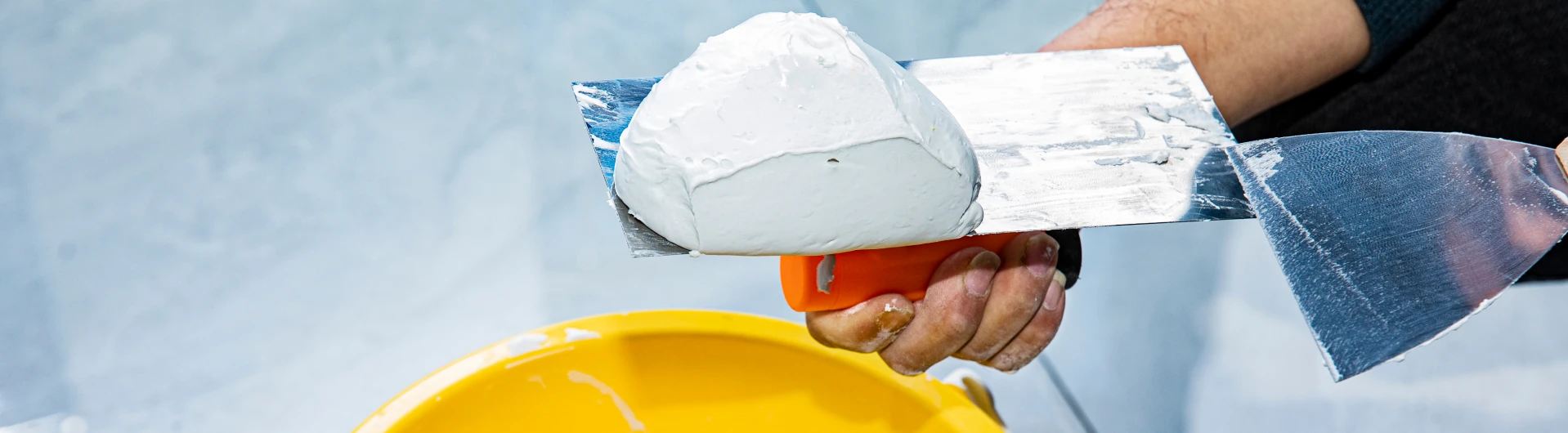
Fiberglass for Concrete Mix Enhancing Strength and Durability Concrete is one of the most widely used construction materials in the world, known for its strength and versatility. However, it does have its limitations, such as brittleness, susceptibility to cracking, and overall weight. To tackle these challenges, the incorporation of fiberglass into concrete mixes has emerged as a game-changing solution that boosts performance while maintaining the same traditional characteristics of concrete. What is Fiberglass? Fiberglass, or glass fiber, is a reinforced plastic material composed of fine fibers of glass. It is known for its high strength-to-weight ratio, excellent resistance to corrosion, and impressive insulation properties. When added to concrete mixes, fiberglass can significantly enhance the material's overall performance, making it a popular choice in various construction applications. Benefits of Fiberglass in Concrete Mixes 1. Improved Tensile Strength One of the most significant advantages of incorporating fiberglass into concrete is the enhancement of tensile strength. Traditional concrete tends to be strong in compression but weak in tension, which can lead to cracks and structural failures. By adding fiberglass, the tensile strength increases, making the concrete more resistant to stress and load-bearing requirements. 2. Reduced Shrinkage and Cracking Fiberglass acts as a reinforcement that helps to minimize shrinkage during the curing process. This reduction in shrinkage translates to a decreased risk of cracking, which is often a common issue in standard concrete mixes. By effectively controlling cracking, fiberglass-reinforced concrete extends the lifespan of structures and reduces the need for repairs. 3. Lightweight Composition The lightweight nature of fiberglass compared to traditional reinforcement materials like steel means that concrete mixes can maintain lower overall weight. This can reduce the structural load on foundations while still providing the necessary strength and durability. Such lightweight composition is particularly advantageous in projects where load restrictions are critical. fiberglass for concrete mix 4. Enhanced Durability Fiberglass is naturally resistant to corrosion and chemical attack, which can often plague concrete exposed to harsh environmental conditions. By incorporating fiberglass, the resulting concrete becomes more robust against moisture penetration, temperature fluctuations, and aggressive chemicals, making it ideal for use in areas such as coastal regions, industrial sites, or places with severe weather. 5. Cost-Effectiveness While there may be initial costs associated with adding fiberglass to concrete mixes, the long-term savings are significant. The durability and reduced maintenance associated with fiberglass-reinforced concrete often lead to lower repair and replacement costs over the lifecycle of a structure. Additionally, the efficiency of construction and the potential reduction in material usage can further offset expenses. Applications of Fiberglass-Reinforced Concrete The application of fiberglass in concrete mixes spans across various sectors including residential, commercial, and industrial construction. From precast concrete products to architectural elements, such as facades and sculptures, fiberglass enhances the performance and aesthetic appeal of concrete structures. One notable application is in the construction of pavements and flooring systems. The addition of fiberglass not only improves the structural integrity but also provides slip resistance, ensuring safety in both industrial and commercial environments. Moreover, the use of fiberglass in thin overlays and shotcrete processes shows significant promise, allowing for quick application with high durability. Conclusion In conclusion, the integration of fiberglass into concrete mixes presents a wealth of benefits that significantly enhance the material's performance. Improved tensile strength, reduced shrinkage, enhanced durability, and lightweight composition make fiberglass-reinforced concrete an excellent choice for modern construction projects. As the construction industry continues to evolve, adopting innovative materials like fiberglass will be crucial in meeting the demands for stronger, more resilient, and cost-effective building solutions. By embracing these advancements, engineers and architects can create structures that not only stand the test of time but also contribute to more sustainable development practices.
-
Long glass fiber reinforced polypropylene is revolutionizing the way industries approach manufacturing and engineering . As a material celebrated for its impressive blend of durability, light weight, and cost-effectiveness, it is rapidly becoming the preferred choice across multiple applications. This composite brings together the robust strength of glass fibers with the versatility of polypropylene, crafting a union that excels in providing much-needed structural support while remaining significantly lighter than metals or traditional composites. The secret to its strength lies in the integration of long glass fibers, which are uniformly distributed throughout the polypropylene matrix. This uniform dispersion ensures that the resulting material is immensely strong but not at the expense of adding excessive weight. From automotive to aerospace industries, this material exhibits an unparalleled ability to absorb impact and withstand stress. Engineers value its enhanced fatigue resistance, which is critical in components such as underbody shields, front ends, and bumpers, where safety and durability are paramount. Moreover, its resistance to chemicals and environmental factors extends its lifespan, reducing maintenance costs and downtime — a crucial advantage for industries looking to optimize operational efficiency. In addition to its structural benefits, long glass fiber reinforced polypropylene is a champion of sustainability. Its production involves fewer emissions compared to metal processing, and it is fully recyclable, aligning with growing environmental regulations and expectations for industries to adopt greener practices. Companies incorporating this material are actively contributing to a more sustainable future by minimizing their ecological footprint without compromising on performance. Industries benefit not just from the superior mechanical properties but also from the versatility in design. Because the material can be molded into complex shapes with relative ease, manufacturers find new freedoms to innovate, creating products with intricate geometries that would be challenging with conventional materials. This adaptability supports a broad spectrum of applications, from high-performance sporting goods to intricate housing components in the electronics sector. long glass fiber reinforced polypropylene Furthermore, the economic advantages of long glass fiber reinforced polypropylene cannot be overlooked. Its production and application are more cost-effective than many traditional materials, enabling businesses to achieve a balance between quality and expenditure. The streamlined manufacturing processes not only reduce waste but also enhance production speed, meeting the demands of fast-moving markets without sacrificing quality. Expert insights suggest that as industries push towards lightweighting — reducing weight to improve efficiency and performance — the relevance of such advanced composite materials will continue to expand. Specialists acknowledge that the ability to reduce weight without sacrificing strength is not merely beneficial; it is essential for advancements in technology and engineering. Authoritative voices within the materials science community assert that investing in understanding and implementing these composites can give companies a cutting-edge advantage. There is a consensus that as research evolves, the potential applications will broaden, bringing about breakthroughs that might once have seemed out of reach. For a credible incorporation of long glass fiber reinforced polypropylene, it is advisable for companies to partner with experienced material suppliers and engineers who are well-versed in the nuances of this composite. Trustworthy collaborations ensure the realization of the full potential of this remarkable material, enhancing product performance while fostering innovation. In conclusion, long glass fiber reinforced polypropylene is not just a material; it is a transformative tool that is setting new benchmarks in quality and sustainability. Its extensive applications, coupled with strong environmental credentials, make it an indispensable choice for forward-thinking industries. As global challenges mount, embracing such forward-looking solutions not only positions businesses to succeed today but also prepares them for the demands of tomorrow.
advantages
-

200000 Viscosities
Excellent product
We can produce pure products up to 200,000 viscosities
-

40000 tons
High yield
We don’t stop production all year round, and the annual output can reach 40,000 tons
-

24 hours
Quality service
We provide 24-hours online reception service, welcome to consult at any time
———— Inquiry Form
Schedule A services
-
 hypromellose_hydroxypropyl_methylcellulose
Oct . 25, 2025
In today’s age of sustainable manufacturing and eco-conscious innovation, wood cellulose has gained -
 fiber_concrete_slab
Oct . 25, 2025
Materials derived from natural sources, like wood cellulose , are redefining industries with their v -
 macro_synthetic_fiber_reinforcement
Oct . 25, 2025
In the world of construction and textiles, innovative materials like polypropylene fiber and acrylic


